Non-native plants this species can replace:
Common Name
Black haw
Blackhaw
Blackhaw viburnum
Nannyberry
Plum leaf viburnum
Plant Form
Shrubs & Small Trees
Duration
Perennial
Max Height (ft)
15.0
Width (ft)
6.0 -
15.0
Growth Rate
Slow
Region
Coastal
Piedmont
Mountain
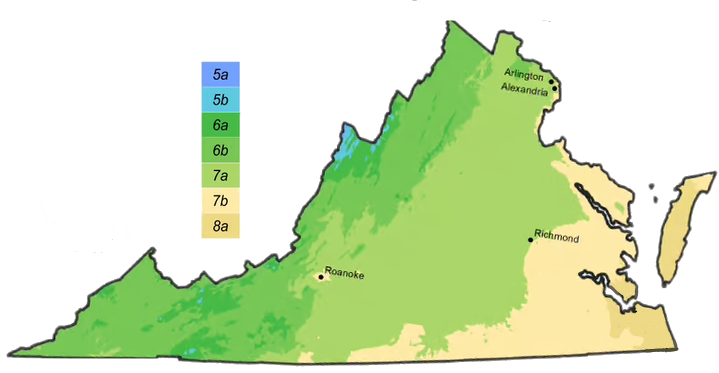
Hardiness Zone
5,
6,
7,
8,
9
Commercially available
Yes
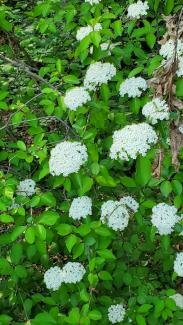
Global Biodiversity Information Facility (GBIF):
Additional Info
Habitat: successional woods, thickets, old fields, and roadside
Wildlife value: It is a host plant for Spring/Summer Azure butterflies. Its fruits are eaten by songbirds, squirrels and chipmunks. Its twig form provides shelter to wildlife
Edibility: Fruits can be eaten raw or used in jams and preserves.
Notes: It will grow in deep shade but will rarely bloom. It is adaptable to soil types and pHs. This is a great shrub for naturalized areas and can be pruned to a tree form.
Flower Color
Cream/White
Pink
Flower Prominence
Conspicuous
Bloom Time
Spring
Bloom Month
March
April
Fall Color
Burgandy/Red
Purple
Light Requirements
Full sun
Partial sun
Moisture Requirements
Moist
Soil Texture
Clay
Loamy
Sandy
Shallow rocky
Low Maintenance
Yes
Good Choice for Public Spaces
Yes
Seed or Fruit eaten by wildlife?
Yes
Pollinators
Bees
Butterfiles
Nurseries that may carry live plant
Carries Seeds (may not be available)