Non-native plants this species can replace:
Common Name
Arrow-wood
Arrow-wood viburnum
Arrowwood viburnum
Southern arrowwood
Plant Form
Shrubs & Small Trees
Duration
Perennial
Max Height (ft)
10.0
Width (ft)
6.0 -
10.0
Growth Rate
Medium
Region
Coastal
Piedmont
Mountain
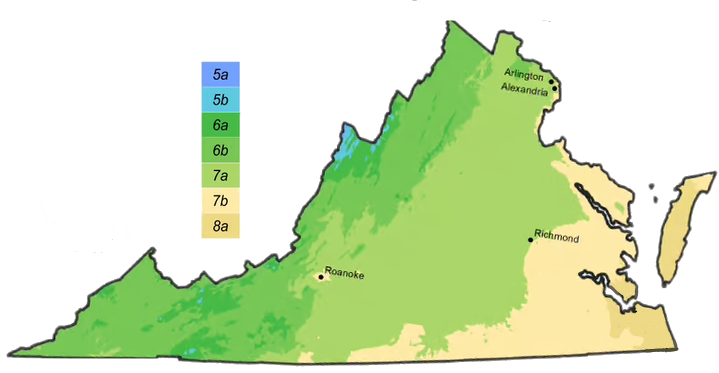
Hardiness Zone
5,
6,
7,
8
Commercially available
Yes
Global Biodiversity Information Facility (GBIF):
Additional Info
Habitat: swamps and wet woods, bogs, floodplain forests, stream banks; low, wet acid-sand habitats
Wildlife value: It is a potential host for the Spring Azure butterfly. Its fruits are eaten by songbirds, grouse, wild turkeys and squirrels.
Edibility: Edible fruit
Notes: Stems very straight, nice structure in winter. Very adaptable to varying sun and soil. Two are needed to produce fruit. Not very drought tolerant. Suckering. The most salt-tolerant of the viburnums. Needs protection from deer until it outgrows them.
Flower Color
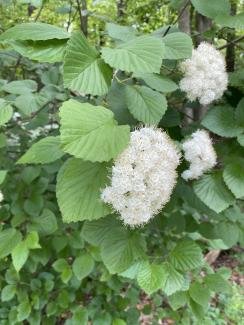
Cream/White
Flower Prominence
Conspicuous
Bloom Time
Spring
Bloom Month
March
April
Fall Color
Burgandy/Red
Gold/Yellow
Purple
Light Requirements
Full sun
Partial sun
Moisture Requirements
Moist
Soil Texture
Clay
Loamy
Sandy
Shallow rocky
Low Maintenance
Yes
Good Choice for Public Spaces
Yes
Seed or Fruit eaten by wildlife?
Yes
Pollinators
Bees
Butterfiles
Carries Seeds (may not be available)