Common Name
American senna
Northern wild senna
Plant Form
Herbs
Duration
Perennial
Max Height (ft)
6.0
Width (ft)
3.0 -
4.0
Growth Rate
Medium
Region
Coastal
Piedmont
Mountain
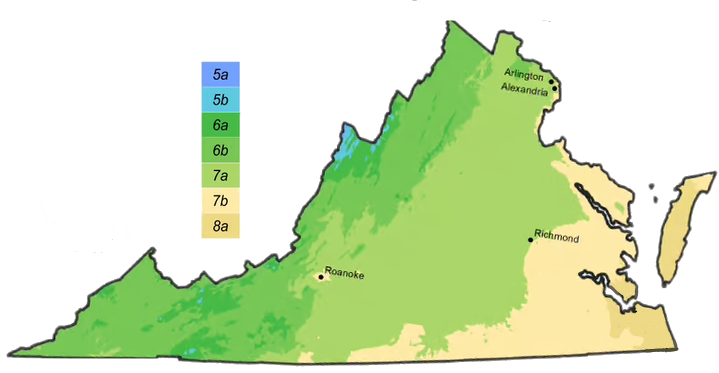
Hardiness Zone
5,
6,
7,
8
Commercially available
Yes
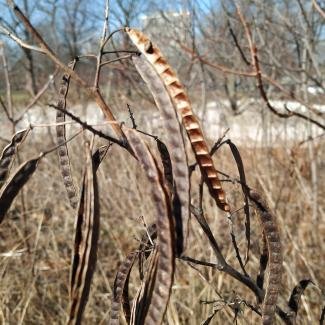
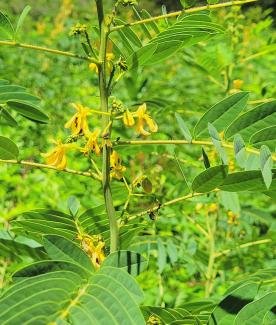
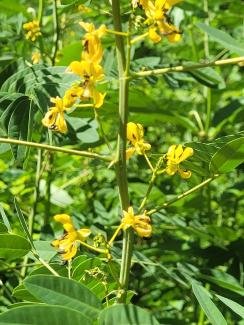
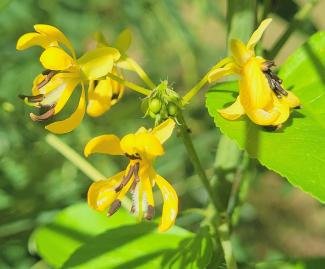
Additional Info
Habitat: Low, moist to wet habitats of riverbanks, rocky or sandy shores, open floodplain forests, old fields, meadows, and roadsides. Infrequent in the mountains and Piedmont; rare in the Coastal Plain.
Wildlife Value: Bumblebees are attracted to pollen. Birds enjoy the seeds particularly Bobwhites. Larval host plant of various types of Sulphur butterflies. Insects like ladybird beetles, ants and flies eat the nectar at the glands found at the base of the petioles because the flowers are nectar-less.
Flower Color
Cream/White
Gold/Yellow
Flower Prominence
Conspicuous
Bloom Time
Early Summer
Late Summer
Light Requirements
Full sun
Partial sun
Moisture Requirements
Moist
Soil Texture
High organic matter
Loamy
Sandy
Shallow rocky
Low Maintenance
Yes
Seed or Fruit eaten by wildlife?
Yes
Pollinators
Bees
Butterfiles
Tolerates
Nurseries that may carry live plant
Carries Seeds (may not be available)