Non-native plants this species can replace:
Synonym(s)
Rhus hirta
Common Name
Staghorn sumac
Plant Form
Medium Trees
Shrubs & Small Trees
Duration
Perennial
Max Height (ft)
25.0
Growth Rate
Fast
Region
Coastal
Piedmont
Mountain
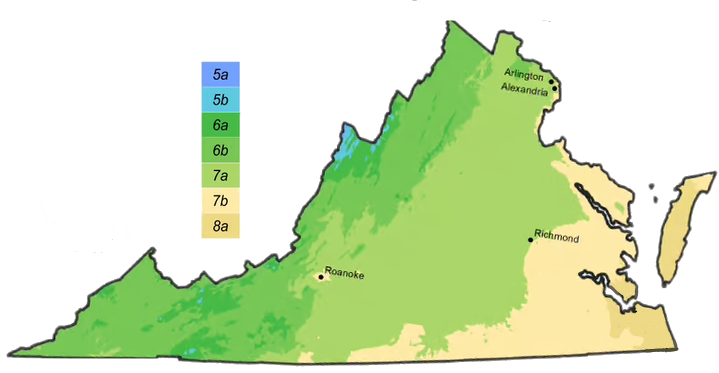
Hardiness Zone
5,
6,
7,
8,
9
Commercially available
Yes
Global Biodiversity Information Facility (GBIF):
Additional Info
Habitat: woodland edges, roadsides, railroad embankments and stream or swamp margins
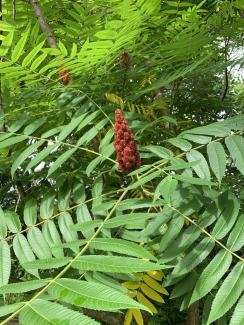
Wildlife value: Survival species for birds - fruit still available in early spring. Ring-necked pheasant, bobwhite quail, and wild turkey eat the fruit. Flowers provide a nectar source to native bees. Larval host plant of Luna moth and the Spring Azure Butterfly
Notes: Conspicious mid-summer blooms. Gorgeous fall color. Spreads. Could be underplanted by smooth or winged sumac. Suckers can be removed to retain a tree form. Tolerates light or moderate shade.
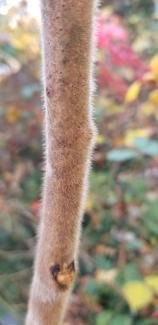
Edibility: The fruits are soaked in water to make a tart lemony drink from the absorbic acid found in the hairs covering the fruits.
Flower Color
Cream/White
Green
Flower Prominence
Reduced
Bloom Time
Spring
Early Summer
Fall Color
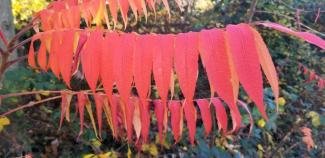
Burgandy/Red
Gold/Yellow
Orange
Light Requirements
Full sun
Moisture Requirements
Moist
Dry
Soil Texture
Shallow rocky
Good Choice for Public Spaces
Yes
Seed or Fruit eaten by wildlife?
Yes
Pollinators
Bees
Butterfiles
Nurseries that may carry live plant