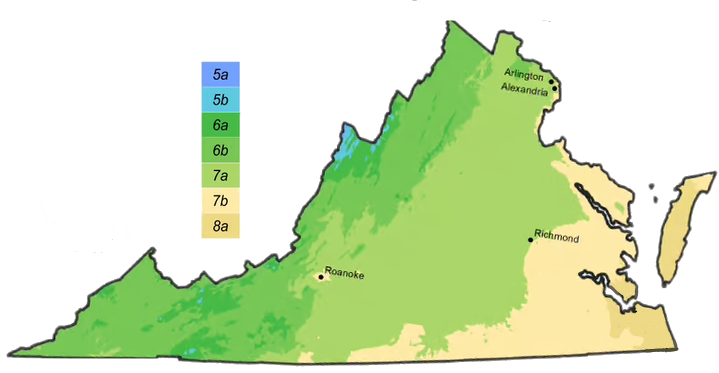
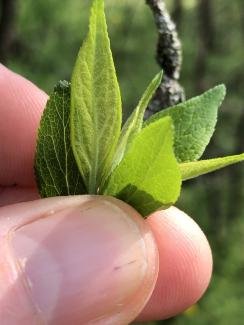
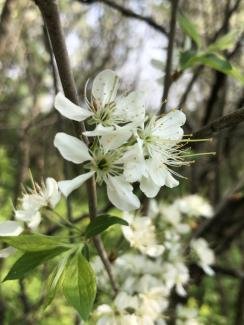
Habitat: rocky or sandy soils along streams, woodlands, pastures, fencerows. Disturbed forests, old fields, shrubby clearings, and fencerows. Infrequent but widespread throughout
Wildlife value: Its thickets provide good cover for songbirds and small mammals year-round. This plant provides nectar for pollinators and is a larval host plant for several species of butterflies. The fruits are eaten by songbirds, wild turkeys, quail, white-tailed deer, and small mammals. Deer also eat the twigs and leaves
Notes: As a tree, it typically grows to 10-20' tall with a broad, spreading crown. As a shrub, it suckers freely and can form large colonies. Remove suckers to prevent unwanted spread or to train into a small tree. It can form thickets with its thorn-like side branches so keep it will have to be maintained unless that is the desired result.
Poisonous to Humans
Poison Severity: Medium
Poison Symptoms: Symptoms include Gasping, weakness, excitement, pupil dilation, spasms, convulsions, coma, respiratory failure.
Poison Part: Leaves, Seeds (pits), Stems. The pits contain cyanide compounds, which are poisonous. If a couple of pits are accidentally swallowed, it will not cause poisoning. The pits are more poisonous if they are ground up/crushed or chewed. Fruit that has not been pitted should not be blended into a smoothie.