Common Name
Partridge pea
Prairie senna
Common partridge-pea
Plant Form
Herbs
Duration
Annual
Max Height (ft)
3.0
Growth Rate
Fast
Region
Coastal
Piedmont
Mountain
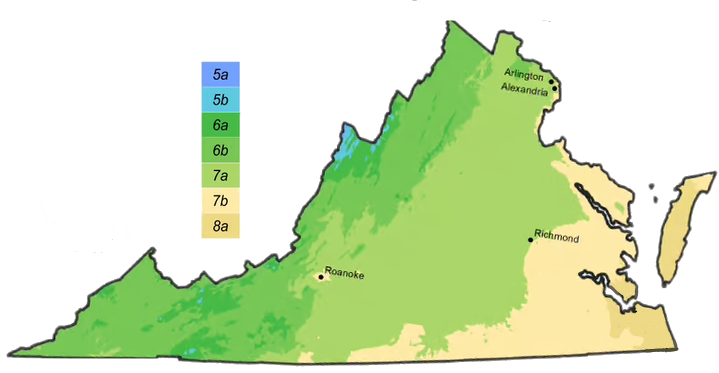
Hardiness Zone
5,
6,
7,
8,
9
Commercially available
Yes
Additional Info
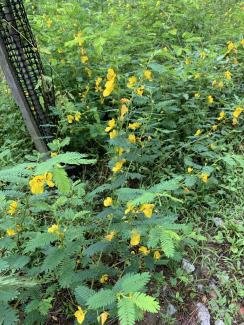
Habitat: Dry woodlands, dunes, old fields, clearings, and roadsides. Common in the coastal Plain and piedmont; infrequent at low elevations in the mountains.
Wildlife Value: Flowers are a nectar source for bees and butterflies and seeds are consumed by songbirds, quail and wild turkeys. It is a host plant for the Cloudless Sulphur (Phoebis sennae), Little Yellow (Pyrisitia lisa), and Sleepy Orange (Eurema nicippe) larvae. Partridge pea often grows in dense stands, producing litter and plant stalks that furnish cover for upland game birds, small mammals, small non-game birds, and waterfowl.
Flower Color
Red/burgandy
Gold/Yellow
Flower Prominence
Conspicuous
Bloom Time
Spring
Early Summer
Late Summer
Fall
Bloom Month
June
July
August
September
Light Requirements
Full sun
Partial sun
Moisture Requirements
Moist
Dry
Soil Texture
Clay
Loamy
Sandy
Seed or Fruit eaten by wildlife?
Yes
Pollinators
Bees
Butterfiles
Tolerates
Nurseries that may carry live plant
Carries Seeds (may not be available)