Common Name
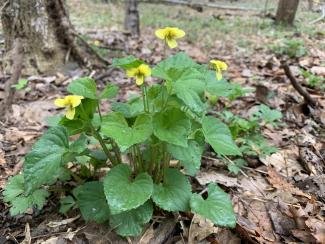
Downy yellow violet
Plant Form
Herbs
Duration
Perennial
Max Height (ft)
2.0
Growth Rate
Medium
Region
Coastal
Piedmont
Mountain
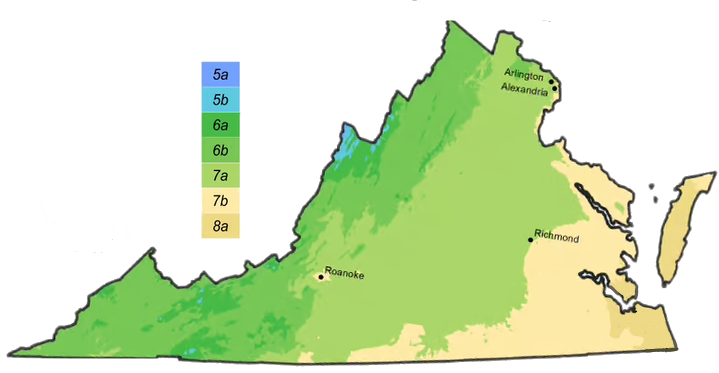
Hardiness Zone
5,
6,
7,
8
Commercially available
Yes
Additional Info
Habitat: Rich, well-drained floodplain forests, river-slope forests, and rich cove forests, typically on fertile soils weathered or deposited from mafic or calcareous substrates. Frequent in the mountains (locally common in some areas), infrequent in the Piedmont, rare in the Coastal Plain. This var. and var. scabriusculum grow in similar habitats, and often together, but var. pubescens is more restricted to the richest sites and is less common overall.
Wildlife Value: This plant supports Fritillary butterfly larvae. Nectar from the flowers attract butterflies and bees. Members of the genus Viola supports specialized bees. Butterflies and moths use this plant as a larval host. Birds and small mammals use the seed fruits as a food source.
Flower Color
Gold/Yellow
Orange
Flower Prominence
Conspicuous
Bloom Time
Spring
Early Summer
Bloom Month
March
April
May
Ground Cover
Yes
Light Requirements
Partial sun
Shade
Moisture Requirements
Moist
Soil Texture
High organic matter
Loamy
Sandy
Low Maintenance
Yes
Deer Resitant
Yes
Seed or Fruit eaten by wildlife?
Yes
Pollinators
Bees
Butterfiles
Number of Lepidotera Species Genus Supports
29
Tolerates
Nurseries that may carry live plant