Vaccinium corymbosum (Native)

Common Name
Highbush blueberry
Northern highbush blueberry
Plant Form
Shrubs & Small Trees
Duration
Perennial
Max Height (ft)
12.0
Width (ft)
6.0 - 10.0
Growth Rate
Medium
Region
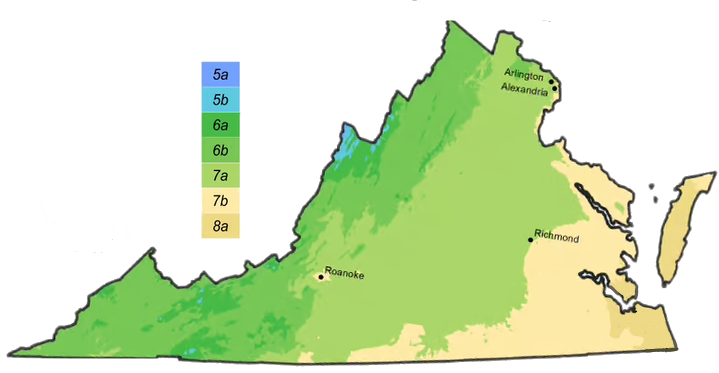
Piedmont
Mountain
Hardiness Zone
5, 6, 7, 8
Commercially available
Yes

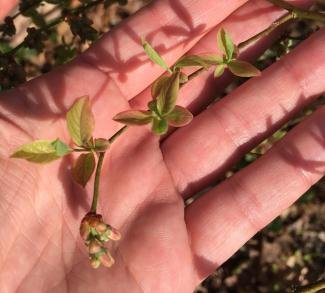
Photographer: Ashley M Bradford
Licensed under: CC BY-NC 4.0
Original photo: Original photo

Photographer: Ashley M Bradford
Licensed under: CC BY-NC 4.0
Original photo: Original photo

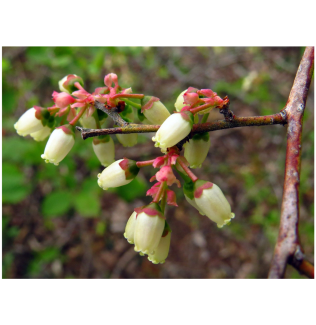
Photographer: peggyo
Licensed under: CC BY-NC 4.0
Original photo: Original photo

Additional Info

Habitat: forested wetlands, shrub swamps, bogs, upland woods; dry to wet woods, thickets, stream banks, rock outcroppings

Wildlife value: Flowers attract butterflies and bees. This plant provides nectar for pollinators and supports Brown Elfin larvae. Adult Brown Elfin butterflies feed on flower nectar. Its fruit attracts small mammals, ruffed grouse, wild turkey, black bears, squirrels, and songbirds, including American Robin, Eastern Bluebird, Scarlet Tanager, Eastern and Spotted Towhees, Gray Catbird, Northern Mockingbird, Brown Thrasher, and Northern Cardinal. The twigs provide food source for deer and rabbits. Members of the genus Vaccinium support bees

Edibility: The berries are edible and have been used raw, sun-dried. smoke-dried, and baked. They have high iron content.

Flower Color
Cream/White
Pink
Flower Prominence
Conspicuous
Bloom Time
Spring
Early Summer
Fall Color
Gold/Yellow
Light Requirements
Full sun
Partial sun
Moisture Requirements
Moist
Soil Texture
Clay
Loamy
Sandy
Climate-smart plant
Yes
Good Choice for Public Spaces
Yes
Seed or Fruit eaten by wildlife?
Yes
Pollinators
Bees
Butterfiles
Top 30 for Butterfly and Moth Caterpillars?
Yes
Number of Lepidotera Species Genus Supports
288
Top 30 for Pollen Specialist Bees?
Yes
Number of Pollen Specialist Bees that Rely on this Genus
14