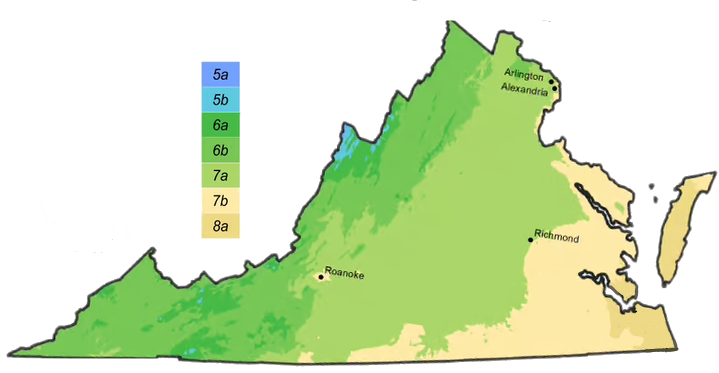
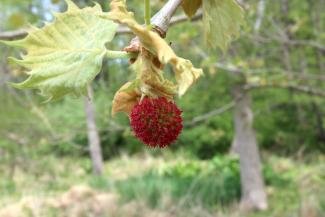
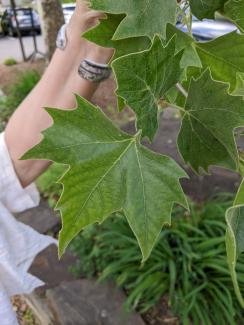
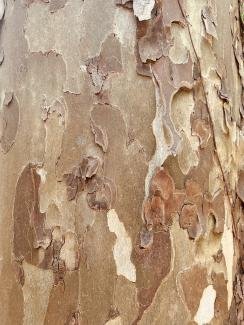
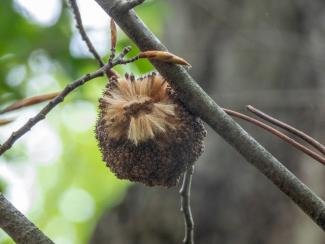
Platanus occidentalis (Native)

Common Name
Sycamore
American sycamore
Plant Form
Large Trees
Duration
Perennial
Max Height (ft)
100.0
Width (ft)
75.0 - 100.0
Growth Rate
Fast
Region
Coastal
Piedmont
Mountain
Hardiness Zone
5, 6, 7, 8, 9
Commercially available
Yes

Photographer: Jeff Clark
Licensed under: CC BY-NC 4.0
Original photo: Original photo

Photographer: Tesner
Licensed under: CC BY-NC 4.0
Original photo: Original photo

Photographer: beachgirlkelly17
Licensed under: CC BY-NC 4.0
Original photo: Original photo

Photographer: Ana Ka'ahanui
Licensed under: CC BY-NC 4.0
Original photo: Original photo

Additional Info

Habitat: Floodplain forests and swamps, montane alluvial forests, stream banks, flood-scoured rocky bars and shores, and disturbed alluvial habitats; an occasional invader of old fields and disturbed forests on mesic lower slopes and uplands. Common in the mountains and piedmont; frequent in the coastal Plain.

Wildlife Value: Many songbirds including the Purple Finch, Juncos, American Goldfinch, and the Carolina Chickadee enjoy eating the seeds. The tree hosts wood-boring insects and leafhoppers.

Notes: Showy white bark, particularly beautiful in winter. Foliage is aromatic in the summer after a rain. A fungal disease can cause temporary defoliation in wet springs. Tolerates drought once mature. When considering American sycamore for a home landscape, keep in mind that it will require a very large space and its littering of twigs and fruits can be messy.

Edibility: Sap is sweet and tapped in the spring for use as syrup and sugar.

Flower Color
Red/burgandy
Gold/Yellow
Green
Flower Prominence
Reduced
Bloom Time
Spring
Bloom Month
April
Evergreen
Yes
Fall Color
Brown/Copper
Gold/Yellow
Light Requirements
Full sun
Moisture Requirements
Moist
Soil Texture
Clay
Loamy
Sandy
Good Choice for Public Spaces
Yes
Deer Resitant
Yes
Seed or Fruit eaten by wildlife?
Yes
Pollinators
Butterfiles
Hummingbirds