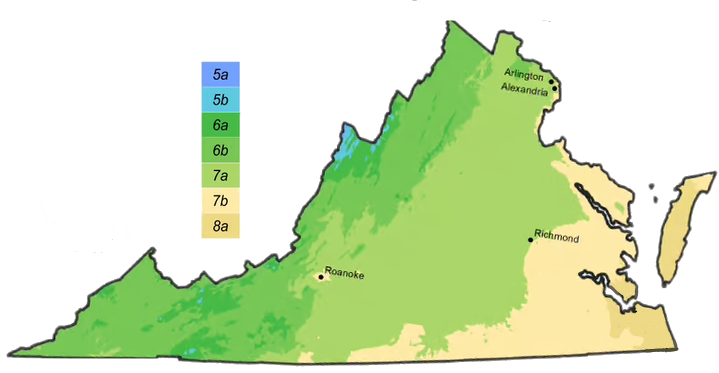
Habitat: Dry upland forests, occasionally in bottomlands, savannas, swamp margins, and upland depressions that are occasionally flooded. It can also be found in the hills and mountains on dry slopes with oaks and hickories.
Wildlife value: Young sprouts are eaten by white-tailed deer. The berries are enjoyed by thrushes and other songbirds, wild turkeys, black bear, foxes, raccoons and opossums. It is one of the most important food sources for fall song bird migration. The natural hollows that form in the tree are a refuge for reptiles, tree frogs, bats and other wildlife. The spring flowers are a nectar source for bees.
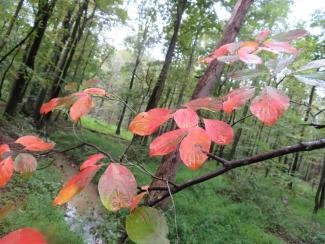
Notes: One of the first plants to color in the fall - brilliant red foliage. Hard to transplant because of its deep taproot. Slow growing but provides shade early because of its shape. Female trees need a male pollinator to set fruit. Tupelo honey is highly prized.