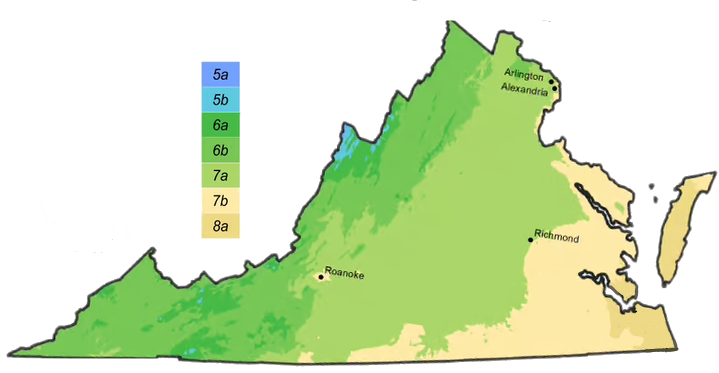
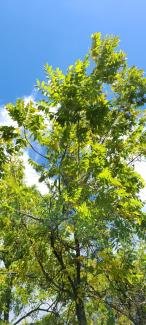
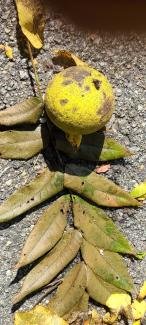
Habitat: It prefers moist, organically rich, well-drained soils in full sun. It prefers full sun and wet to dry loam or sandy high acidic to slightly alkaline soil. It is intolerant of shade. Common throughout, but in the mountains limited to lower elevations.
Note: Black Walnut is an extremely valuable and attractive forest tree. Leaves, stems and roots contain juglone, which inhibits the growth of some plants beneath the tree's dripline (Allelopathy). Plants known to be sensitive to juglone include azaleas, peonies, and some fruits and vegetables, like tomatoes, apples, and blueberries
Wildlife value: Supports Hickory Horndevil, Banded Hairstreak butterfly and Luna moth larvae. Meat of the nut is sweet and edible and a favorite food for squirrels.
Edibility: Nut is sweet and edible. Nut production can sometimes begin as early as 6 years but usually takes 20 years for a substantial crop.