Common Name
Field thistle
Plant Form
Herbs
Duration
Biennial
Max Height (ft)
10.0
Growth Rate
Medium
Region
Coastal
Piedmont
Mountain
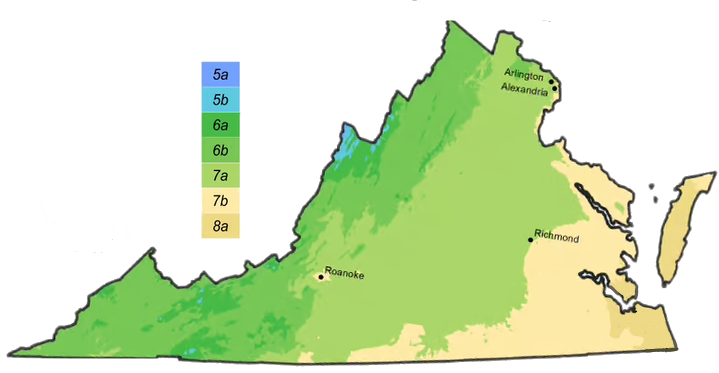
Hardiness Zone
5,
6,
7,
8,
9
Commercially available
Yes
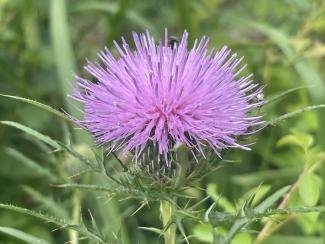
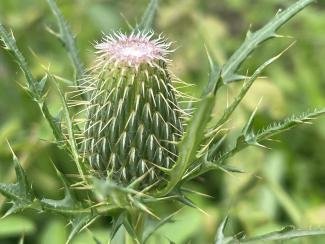
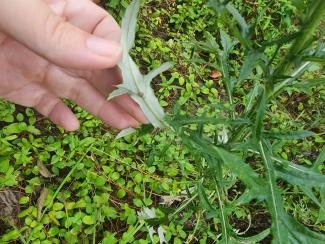
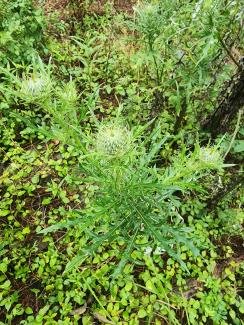
Additional Info
Habitat: Found in moist to dry soils of prairies, pastures, old fields, roadsides, savannas and forest edges.
Wildlife value: Hummingbirds, butterflies, bees, moths and beetles are attracted to this plant due to the abundant nectar. Many other species will also use other plant parts for food, including the leaves, stems, roots, flower heads and seeds. Songbirds, especially finches, will eat the seeds
Notes: Sometimes people mistake this plant for the aggressive European bull thistle and try to eradicate it. Bull thistle blooms in the spring rather than later summer, both leaf surfaces are green rather than whitish undersides and have many more spines.
Flower Color
Cream/White
Pink
Purple/lavender
Flower Prominence
Conspicuous
Bloom Time
Early Summer
Late Summer
Fall
Bloom Month
June
July
August
September
October
Light Requirements
Full sun
Partial sun
Moisture Requirements
Moist
Soil Texture
Clay
Loamy
Sandy
Low Maintenance
Yes
Deer Resitant
Yes
Seed or Fruit eaten by wildlife?
Yes
Pollinators
Bees
Butterfiles
Top 30 for Pollen Specialist Bees?
Yes
Number of Pollen Specialist Bees that Rely on this Genus
15
Tolerates
Nurseries that may carry live plant
Carries Seeds (may not be available)