Common Name
Allegheny chinquapin
Plant Form
Shrubs & Small Trees
Duration
Perennial
Max Height (ft)
30.0
Growth Rate
Medium
Region
Coastal
Piedmont
Mountain
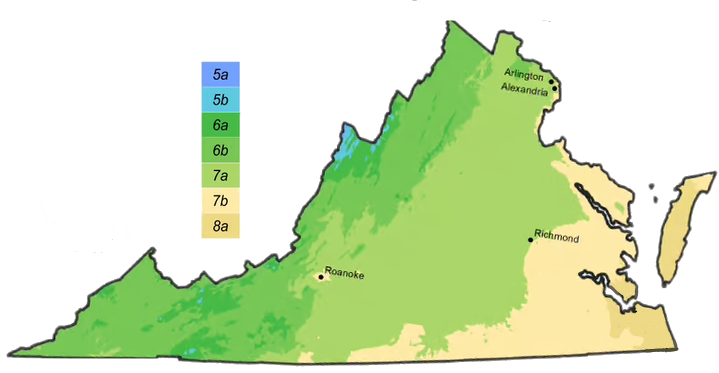
Hardiness Zone
5,
6,
7,
8,
9
Commercially available
Yes
Global Biodiversity Information Facility (GBIF):
Additional Info
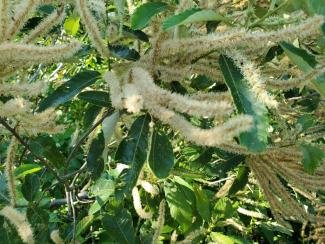
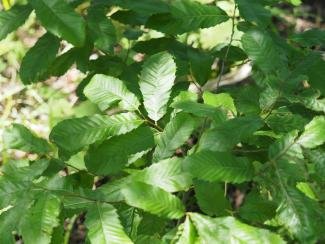
Multi-stemmed, thicket-forming shrub or small tree with spreading lower branches and ascending upper branches. If grown as a tree in can reach 15-30 feet tall. It is resistant to the chestnut blight and can usually recover if infected. This tree prefers dry, acidic to neutral, well-drained soils in full sun to partial shade.
Note: Use as a small shade tree or to provide food for yourself and wildlife in a lawn or naturalized area.
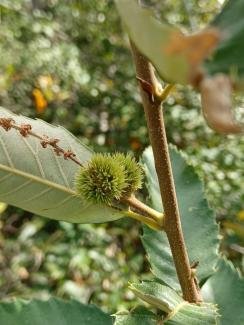
Wildlife Value: Larval host for butterflies. This plant is moderately resistant to damage from deer. Its nuts are eaten by woodpeckers, bluejays, small mammals, wild turkeys, black bears, and white-tailed deer.
Edible: Nuts are edible
Flower Color
Cream/White
Flower Prominence
Conspicuous
Bloom Time
Spring
Early Summer
Late Summer
Bloom Month
May
June
July
Fall Color
Gold/Yellow
Light Requirements
Full sun
Partial sun
Moisture Requirements
Moist
Dry
Soil Texture
Loamy
Sandy
Good Choice for Public Spaces
Yes
Seed or Fruit eaten by wildlife?
Yes
Pollinators
Butterfiles
Top 30 for Butterfly and Moth Caterpillars?
Yes
Number of Lepidotera Species Genus Supports
125
Tolerates
Nurseries that may carry live plant