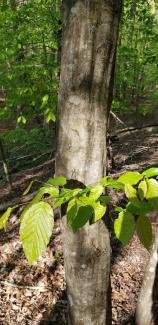
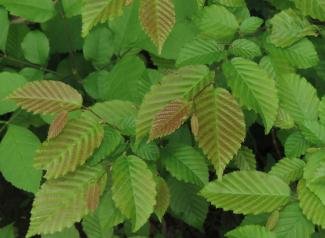
Carpinus caroliniana (Native)

Non-native plants this species can replace:
Common Name
American hornbeam
Ironwood
Plant Form
Medium Trees
Shrubs & Small Trees
Duration
Perennial
Max Height (ft)
30.0
Growth Rate
Slow
Region
Coastal
Piedmont
Mountain
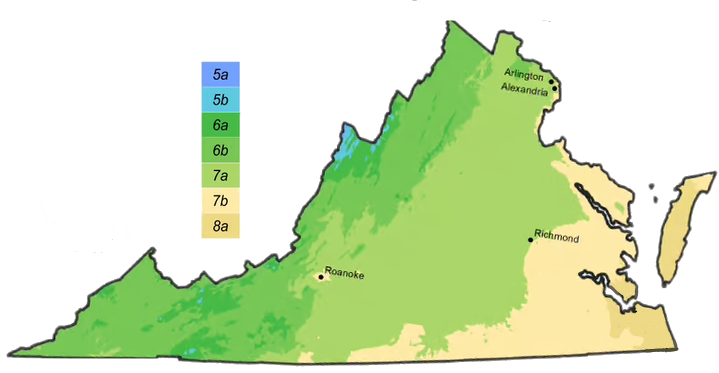
Hardiness Zone
5, 6, 7, 8, 9
Commercially available
Yes

Photographer: nauer1
Licensed under: CC BY-NC 4.0
Original photo: Original photo

Photographer: peggyo
Licensed under: CC BY-NC 4.0
Original photo: Original photo

Additional Info

Habitat: Mesic upland forests, floodplain forests, alluvial swamps, tidal swamps, wet flatwoods, and stream banks. Common in the coastal Plain and piedmont; frequent in the mountains (at lower elevations).

Nice round shape, works as a specimen, or in a hedge or woodland edge. Good next to paths - drops its lower branches. Tolerates heavy shade.

Tolerates occasional flooding and short droughts. Does not tolerate compaction or salt.

Wildlife Value: It is a larval host plant for the Eastern Tiger Swallowtail and Red-spotted Purple butterflies. The seed and buds provide food source for songbirds, ruffed grouse, quail, wild turkeys, foxes, and squirrels.  On young specimens, the inner bark is eaten by beavers and rabbits.  These plants also provide good cover and shelter for animals.

Notes: slow growing and short lived

Flower Color
Gold/Yellow
Green
Flower Prominence
Conspicuous
Bloom Time
Spring
Fall Color
Burgandy/Red
Orange
Light Requirements
Full sun
Partial sun
Shade
Moisture Requirements
Wet
Moist
Dry
Soil Texture
Clay
Loamy
Sandy
Low Maintenance
Yes
Climate-smart plant
Yes
Good Choice for Public Spaces
Yes
Deer Resitant
Yes
Pollinators
Butterfiles
Nurseries that may carry live plant