Non-native plants this species can replace:
Common Name
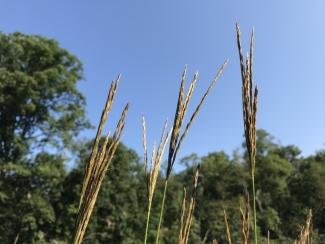
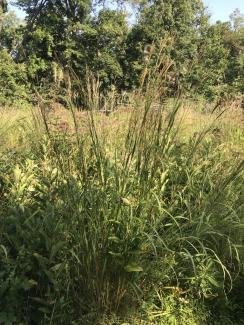
Big bluestem
Turkeyfoot
Plant Form
Grasses, Sedges & Rushes
Duration
Perennial
Max Height (ft)
8.0
Region
Coastal
Piedmont
Mountain
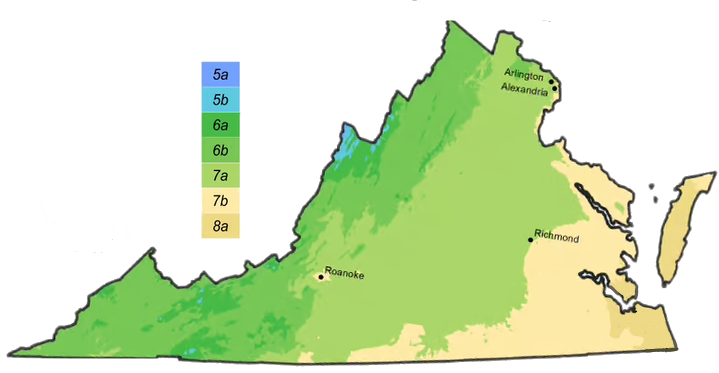
Hardiness Zone
5,
6,
7,
8,
9
Commercially available
Yes
Global Biodiversity Information Facility (GBIF):
Additional Info
Habitat: dry or wet soil in open woods, prairies, swales, shore, and dry open ground.
Wildlife value: This plant is a larval host for butterflies, including Common Wood-Nymph (Cercyonis pegala) larvae and various Skipper larvae. Adult Common Wood-Nymph butterflies feed on rotting fruit and flower nectar. Ecologists have used this beautiful grass for prairie restorations and for naturalizing an area for nesting birds and mammals.
Clump forming. Good for short screen. Cutting it back to the ground in the winter will help maintain its attractive appearance. Resistant to toxin-producing plants (allelopathic) like black walnut, which releases toxins that suppress the growth of plants in its vicinity.
Flower Color
Blue
Brown
Red/burgandy
Flower Prominence
Reduced
Bloom Time
Fall
Fall Color
Burgandy/Red
Orange
Light Requirements
Full sun
Moisture Requirements
Dry
Soil Texture
Clay
Sandy
Low Maintenance
Yes
Climate-smart plant
Yes
Good Choice for Public Spaces
Yes
Deer Resitant
Yes
Pollinators
Butterfiles
Carries Seeds (may not be available)