Common Name
Riverbank grape
Plant Form
Vines
Duration
Perennial
Max Height (ft)
75.0
Growth Rate
Fast
Region
Coastal
Piedmont
Mountain
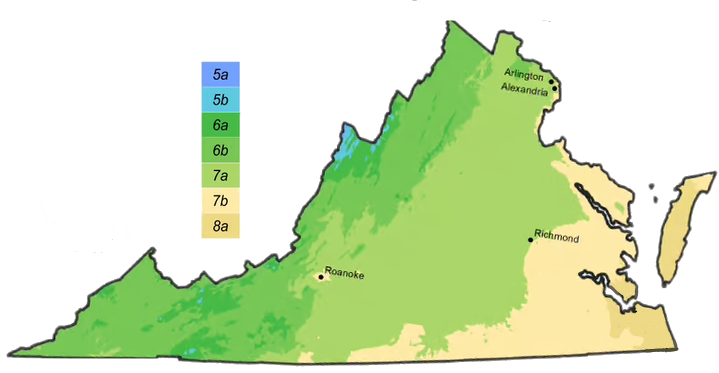
Hardiness Zone
5,
6,
7,
8,
9
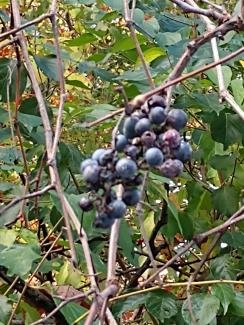
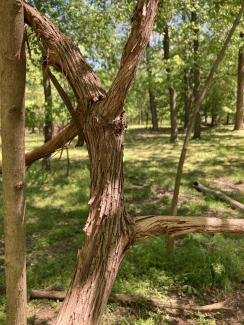
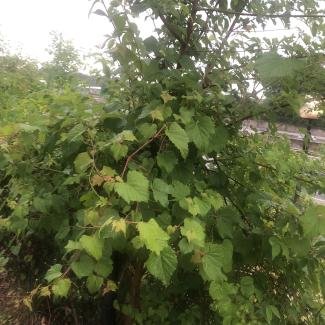
Additional Info
Habitat: Floodplain forests, alluvial swamps, riverbanks, sand and gravel bar woodlands, riverside prairies, upland forests and clearings adjacent to rivers. Rather infrequent but widely distributed throughout Virginia; mostly along large streams and rivers, locally common in some watersheds.
Wildlife Value: They are a food source for insects, songbirds, game birds, waterfowl, and mammals.
Edibility: The berries are sour until the first frost then they become sweeter. They may be eaten fresh, dried, or made into jellies or wine. It is important to properly identify the berries before ingestion.
Flower Color
Gold/Yellow
Green
Flower Prominence
Conspicuous
Fragrant
Yes
Bloom Time
Spring
Early Summer
Bloom Month
May
June
Light Requirements
Full sun
Partial sun
Moisture Requirements
Moist
Soil Texture
Loamy
Sandy
Shallow rocky
Seed or Fruit eaten by wildlife?
Yes
Pollinators
Bees
Butterfiles
Nurseries that may carry live plant
Carries Seeds (may not be available)