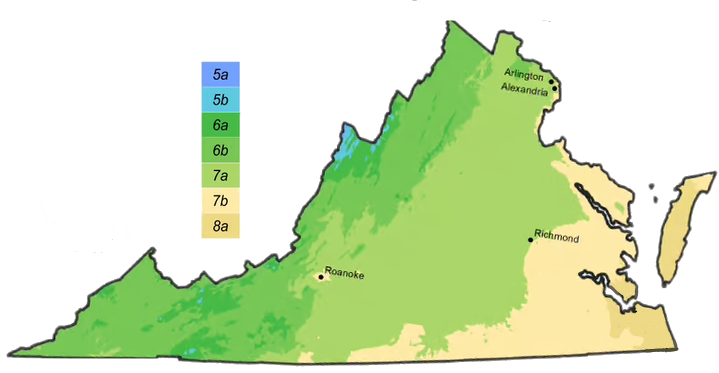
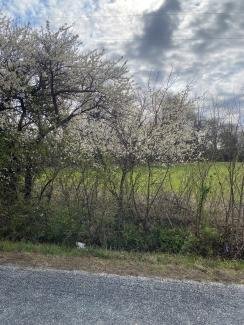
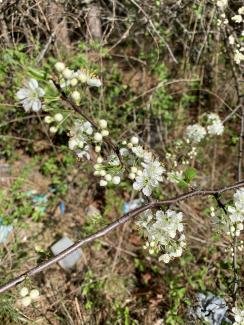
Old fields, shrubby clearings, fencerows, and roadsides; especially frequent in sandy soils. Frequent in the s. and c. coastal Plain and s. and c. piedmont; infrequent elsewhere.
Wildlife Value: Thickets provide good cover for songbirds and small mammals year round. This plant provides nectar for pollinators and is a larval host plant for several species of butterflies. You may see Coral Hairstreak (Satyrium titus), Eastern Tiger Swallowtail (Papilio glaucus), Spring Azure (Celastrina ladon), Viceroy (Limenitis archippus), and Red-spotted Purple (Limenitis arthemis astyanax). Fruits are eaten by songbirds, wild turkeys, quail, white-tailed deer, and small mammals.
Poisonous to Humans
Poison Severity: Medium
Poison Symptoms: The pits contain cyanide compounds, which are poisonous. If a couple of pits are accidentally swallowed, it will not cause poisoning. The pits are more poisonous if they are ground up/crushed or the seeds are chewed.