Common Name
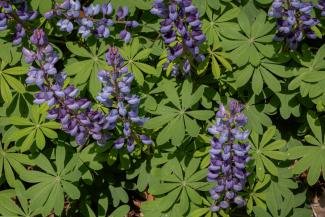
Sundial lupine
Plant Form
Herbs
Duration
Perennial
Max Height (ft)
2.5
Width (ft)
0.5 -
1.0
Growth Rate
Medium
Region
Coastal
Piedmont
Mountain
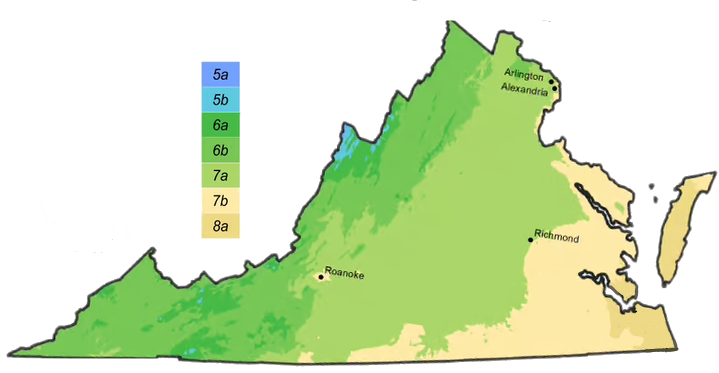
Hardiness Zone
5,
6,
7,
8
Commercially available
Yes
Rabbit resistant
Yes
Global Biodiversity Information Facility (GBIF):
Additional Info
Habitat: Dry, sandy, open forests, woodlands, clearings, and roadsides; associated almost exclusively with sandy, nutrient-poor soils. Infrequent to locally common throughout; apparently absent from Southwest Virginia.
Wildlife Value: Attracts hummingbirds, bees and butterflies. Host plant for Karner Blue butterfly (Lycaeides melissa sub. samuelis) and Frosted Elfin butterfly (Callophrys irus). Small mammals and birds will eat the seeds.
Poisonous to Humans
Poison Severity:
Low
Poison Symptoms:
Seeds pisionous if eaten in lrge quantities. Symptoms include respiratory depression and slow heartbeat, sleepiness, and convulsions.
Causes Contact Dermatitis: No
Flower Color
Brown
Cream/White
Pink
Purple/lavender
Flower Prominence
Conspicuous
Fragrant
Yes
Bloom Time
Spring
Early Summer
Late Summer
Light Requirements
Full sun
Partial sun
Moisture Requirements
Moist
Dry
Soil Texture
Loamy
Sandy
Shallow rocky
Low Maintenance
Yes
Seed or Fruit eaten by wildlife?
Yes
Pollinators
Bees
Butterfiles
Hummingbirds
Number of Lepidotera Species Genus Supports
33
Tolerates
Nurseries that may carry live plant
Carries Seeds (may not be available)