Non-native plants this species can replace:
Common Name
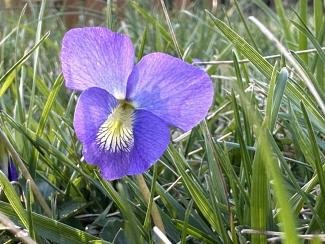
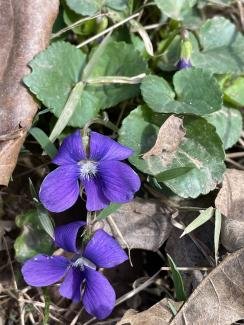
Common blue violet
Confederate violet
Plant Form
Herbs
Duration
Annual
Max Height (ft)
0.5
Width (ft)
0.5 -
0.8
Growth Rate
Fast
Region
Coastal
Piedmont
Mountain
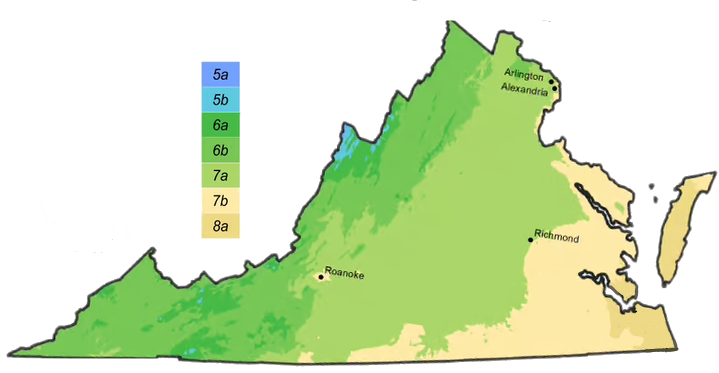
Hardiness Zone
5,
6,
7
Commercially available
Yes
Global Biodiversity Information Facility (GBIF):
Additional Info
Habitat: In an extremely wide range of forested to open, natural to ruderal habitats. Its natural habitats include swamp hummocks, floodplain forests, and varied mesic to dry upland forests. Common throughout Virginia.
Wildlife Value: This plant supports Fritillary butterfly larvae. Nectar from the flowers attract butterflies and bees. Members of the genus Viola supports specialized bees. Butterflies and moths use this plant as a larval host. Birds and small mammals use the seed as a food source.
Notes: It can also be abundantly weedy in lawns, fields, pastures, and many other disturbed habitats
Flower Color
Blue
Cream/White
Pink
Purple/lavender
Flower Prominence
Conspicuous
Bloom Time
Spring
Early Summer
Bloom Month
March
April
May
Ground Cover
Yes
Light Requirements
Full sun
Partial sun
Shade
Moisture Requirements
Moist
Soil Texture
Clay
High organic matter
Loamy
Sandy
Deer Resitant
Yes
Seed or Fruit eaten by wildlife?
Yes
Pollinators
Bees
Butterfiles
Number of Lepidotera Species Genus Supports
29
Nurseries that may carry live plant
Carries Seeds (may not be available)