Common Name
Heart-leaved aster
Blue wood aster
Plant Form
Herbs
Duration
Perennial
Max Height (ft)
4.0
Region
Coastal
Piedmont
Mountain
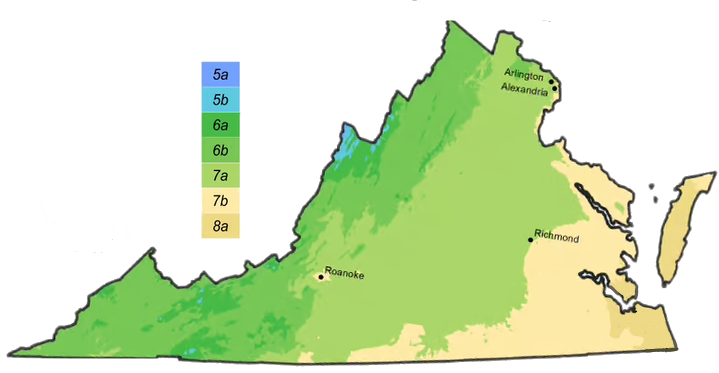
Hardiness Zone
5,
6,
7,
8
Commercially available
Yes
Additional Info
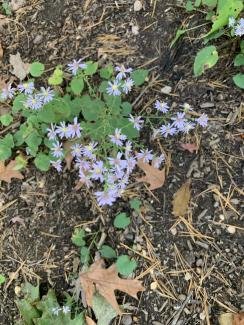
Habitat: Stunning late season choice, providing nectar to butterflies and visual interest. Commonly found naturalized in woodlands, meadows, or stream banks. It can be weedy as it self-seeds very easily.
Wildlife value: Host plant for the Pearl Crescent butterfly. Flowers are attractive to bees and butterflies. Songbirds and small mammals eat the seeds. Members of the genus Symphyotrichum support the specialized bees
Notes: Self-seeds freely. Tolerates sun to shade but flowers best with 3 hours of sun or more. Pinching back the stems will lead to a bushier plant and hopefully avoid the need for staking. The foliage tends to decline by late summer and it can be cut to the ground to avoid any self-seeding and also to help with appearance.
Flower Color
Blue
Red/burgandy
Cream/White
Gold/Yellow
Purple/lavender
Flower Prominence
Conspicuous
Bloom Time
Early Summer
Late Summer
Fall
Light Requirements
Partial sun
Shade
Moisture Requirements
Moist
Low Maintenance
Yes
Good Choice for Public Spaces
Yes
Deer Resitant
Yes
Seed or Fruit eaten by wildlife?
Yes
Pollinators
Bees
Butterfiles
Top 30 for Butterfly and Moth Caterpillars?
Yes
Number of Lepidotera Species Genus Supports
112
Top 30 for Pollen Specialist Bees?
Yes
Number of Pollen Specialist Bees that Rely on this Genus
33
Nurseries that may carry live plant
Additional links