Non-native plants this species can replace:
Common Name
Common elderberry
Plant Form
Shrubs & Small Trees
Duration
Perennial
Max Height (ft)
12.0
Growth Rate
Medium
Region
Coastal
Piedmont
Mountain
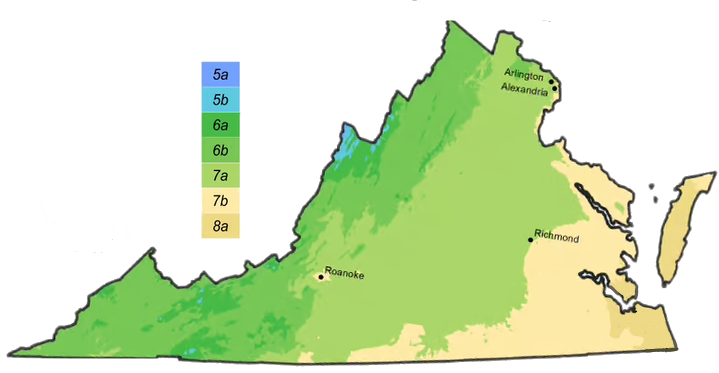
Hardiness Zone
5,
6,
7,
8,
9
Commercially available
Yes
Global Biodiversity Information Facility (GBIF):
Additional Info
Habitat: Damp to wet soil in fields, clearings, ditches, roadsides, floodplain forests, and swamps; less often in low mesic forests. Frequent to common except at higher elevations in the mountains.
Wildlife value: Butterflies and other insects are attracted to the blooms. Its fruits are eaten by mammals and many species of songbirds. It makes an excellent nesting site for birds and provides cover for quail and pheasants. Deer browse the leaves, twigs and fruit.
Notes: Plants will spread by root sucker and will form thickets if the suckers are not removed. The drupe is an edible fruit and when cooked can be used in pies, pancakes, and jellies. Elderberry flowers and fruits are used in winemaking
Flower Color
Cream/White
Flower Prominence
Conspicuous
Fragrant
Yes
Bloom Time
Spring
Early Summer
Fall Color
Gold/Yellow
Light Requirements
Full sun
Partial sun
Moisture Requirements
Moist
Soil Texture
Clay
High organic matter
Loamy
Sandy
Good Choice for Public Spaces
Yes
Seed or Fruit eaten by wildlife?
Yes
Pollinators
Bees
Butterfiles
Tolerates
Nurseries that may carry live plant
Carries Seeds (may not be available)