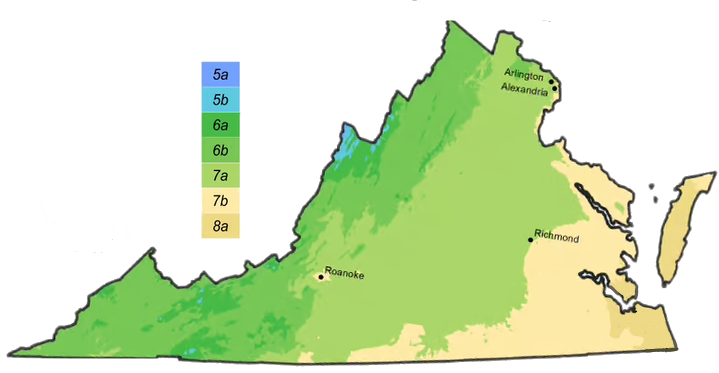
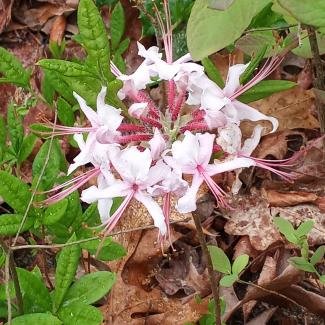
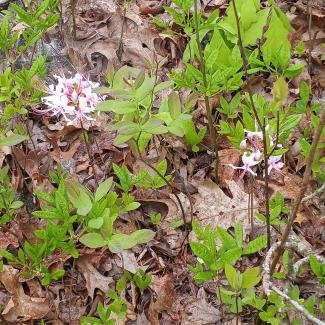
Habitat: coastal, sandy soils; rare in moist woods. Common in the southern Coastal Plain; infrequent elsewhere in the Coastal Plain, north to Accomack, Richmond, and Hanover counties; rare in the outer Piedmont south of the James River. Not native to northern Virginia, including Fairfax County.
Wildlife value: Nectar from flowers attract butterflies and members of the genus Rhododendron support the following specialized bee: Andrena (Andrena) cornelli. Hummingbirds are attracted to the blooms. Frequently damaged by deer.
Note: Colonial, arising from spreading underground stems. While azaleas remain very popular for landscape use, many cultivars are susceptible to Phytophthora root rot—this leads to leaf loss, reduced vigor, branch dieback, and wilting. Implement good cultural practices first, such as improving drainage with organic matter or berms and avoiding overwatering or overfertilization.
Poisonous to Humans:
Poison Severity:
Low
Poison Symptoms:
While the plants are known to contain toxins, ingestion of moderate amounts of azalea (nectar or leaves) poses little toxic hazard.
Causes Contact Dermatitis: No