Common Name
False solomon's seal
Plant Form
Herbs
Duration
Perennial
Max Height (ft)
3.0
Width (ft)
1.5 -
3.0
Region
Coastal
Piedmont
Mountain
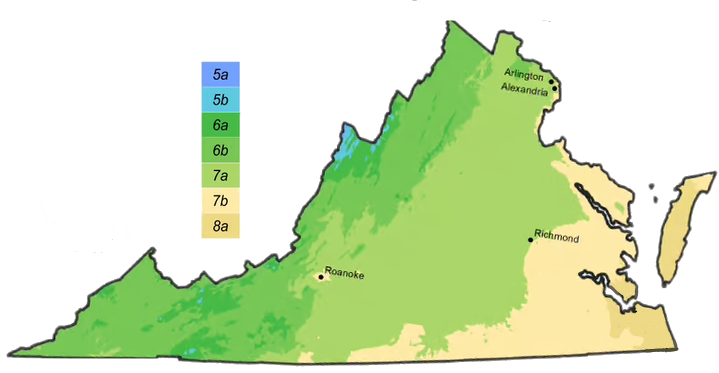
Hardiness Zone
5,
6,
7,
8
Commercially available
Yes
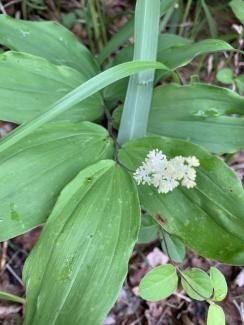
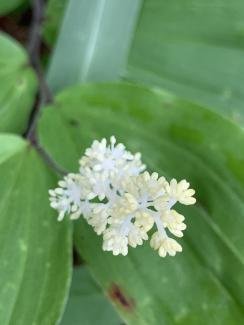
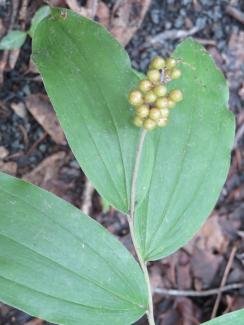
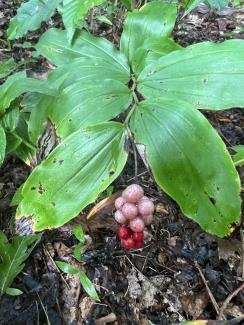
Additional Info
Habitat: Shade-loving plant can be found growing in deciduous forests
Wildlife Value: Birds, bees and small mammals enjoy the fruits as a food source. Attracts sweat bees, beetles, moths, flies, and other pollinating insects.
Notes: Its common name of False Solomon's Seal comes from the resemblance of its foliage to the foliage of true Solomon's Seal. False Solomon's Seal flowers appear at the end of the arching stems. The flowers on True Solomon Seal are droop from the leaf axils along the stem and are bell-shaped. Both False Solomon's Seal and true Solomon's Seal may be found growing in the same areas.
Flower Color
Cream/White
Flower Prominence
Conspicuous
Bloom Time
Spring
Early Summer
Light Requirements
Partial sun
Shade
Moisture Requirements
Moist
Dry
Soil Texture
High organic matter
Loamy
Sandy
Shallow rocky
Seed or Fruit eaten by wildlife?
Yes
Pollinators
Bees
Butterfiles
Nurseries that may carry live plant
Carries Seeds (may not be available)