Non-native plants this species can replace:
Common Name
American holly
Plant Form
Medium Trees
Duration
Perennial
Max Height (ft)
60.0
Width (ft)
10.0 -
20.0
Growth Rate
Slow
Region
Coastal
Piedmont
Mountain
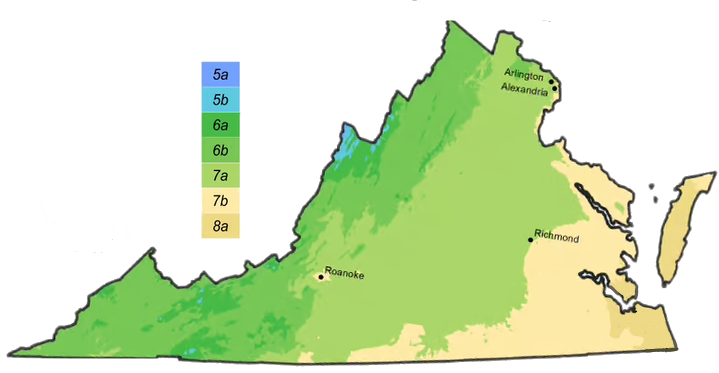
Hardiness Zone
5,
6,
7,
8,
9
Commercially available
Yes
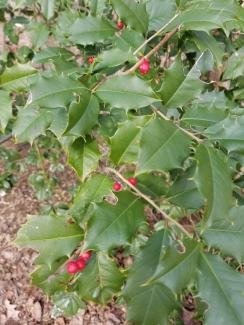
Global Biodiversity Information Facility (GBIF):
Additional Info
Habitat: most common and abundant in moist sandy woodlands of the coastal plain
Wildlife Value: This plant provides nectar for pollinators. It is a larval host plant for Henry's Elfin larvae. Adult Henry's Elfin butterflies feed on flower nectar. Its fruits are eaten by songbirds, wild turkeys, quail, white-tailed deer, squirrels and other small mammals. Honeybees are attracted to its tiny white flowers. This tree provides cover during the winter.
Notes: Highly flammable. Male and female needed to get berries but there is likely to be a male somewhere within 1/4 mile. The evergreen leaves and fruits on female plants are fragrant, and make for beautiful color and interest in a winter garden. Needs plenty of space.
Flower Color
Cream/White
Gold/Yellow
Green
Flower Prominence
Conspicuous
Fragrant
Yes
Bloom Time
Spring
Early Summer
Evergreen
Yes
Light Requirements
Full sun
Partial sun
Moisture Requirements
Moist
Soil Texture
Clay
Loamy
Low Maintenance
Yes
Good Choice for Public Spaces
Yes
Deer Resitant
Yes
Seed or Fruit eaten by wildlife?
Yes
Pollinators
Bees
Butterfiles
Recommended for
Nurseries that may carry live plant