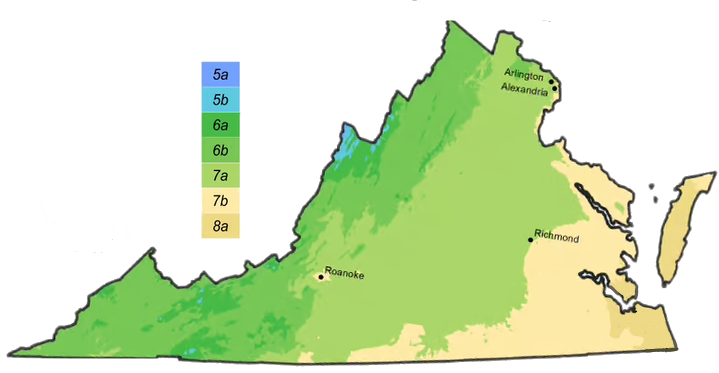
Habitat: Weedy tree in old fields, fencerows, and roadsides; also scattered in a range of natural habitats, including swamp forests, depression ponds, dune woodlands and scrub, rocky woodlands, and the understory of mesic to dry upland forests. Common in the coastal Plain and piedmont; infrequent\ and confined to low elevations in the mountains.
Wildlife Value: A larval host plant of the Luna moth and Hickory Horndevil larvae. The fruit of the persimmon is a food source for birds, small mammals, white-tailed deer, foxes, raccoons, and black bears. Deer browse the leaves and twigs.
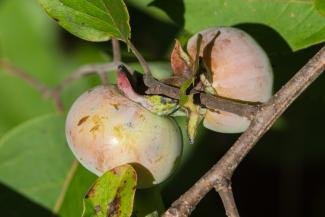
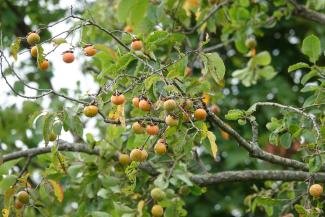
Notes: With spectacular autumn foliage and fruit that extends the harvest late into the fall, they are an excellent addition to an edible landscape. Edible when ripe, the sweet fruit of Persimmon somewhat recalls the flavor of dates. Fruit can stay on the tree after the leaves have fallen unaffected by freezing temperatures, giving an attractive addition to a winter garden. Persimmons are dioecious, meaning there are separate male and female trees, and you need both in order to get fruit.
Edibility: The fruit is astringent when green, but sweet when soft and ripe and may be eaten raw. Used in syrups, jellies, ice cream and pies