Common Name
American hazelnut
American filbert
Plant Form
Shrubs & Small Trees
Duration
Perennial
Max Height (ft)
10.0
Growth Rate
Medium
Region
Coastal
Piedmont
Mountain
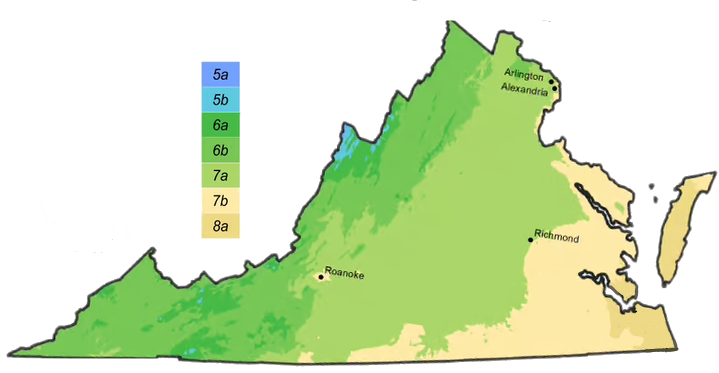
Hardiness Zone
5,
6,
7,
8,
9
Commercially available
Yes
Global Biodiversity Information Facility (GBIF):
Additional Info
Suckering, native deciduous shrub that may grow 9 to 12 feet tall. It can be found naturally in rocky woodlands, forests, hillsides, pastures, and thickets. Frequent to common in the mountains, piedmont, and inner coastal Plain; rare in the outer coastal plain.
Wildlife value: The nuts are eaten by songbirds, ruffed grouse, quail, wild turkeys, chipmunks, black bears, foxes, white-tailed deer, skunks, and squirrels. The twigs and leaves are browsed by white-tailed deer. It is also the host plant for caterpillars of the Saturniidae moth. Wind pollinated, they don't produce any nectar. However, bees will sometimes gather the abundant pollen from the male flowers
Edibility: Its nuts are edible.
Flower Color
Red/burgandy
Cream/White
Green
Flower Prominence
Conspicuous
Bloom Time
Spring
Fall Color
Burgandy/Red
Gold/Yellow
Orange
Light Requirements
Full sun
Partial sun
Shade
Moisture Requirements
Moist
Dry
Low Maintenance
Yes
Climate-smart plant
Yes
Seed or Fruit eaten by wildlife?
Yes
Top 30 for Butterfly and Moth Caterpillars?
Yes
Number of Lepidotera Species Genus Supports
131