Non-native plants this species can replace:
Synonym(s)
Benthamidia florida
Common Name
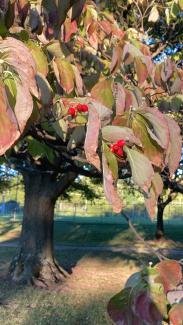
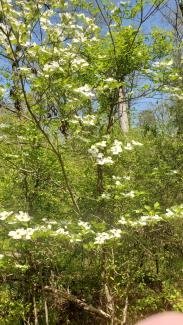
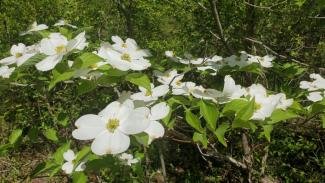
Flowering dogwood
Plant Form
Medium Trees
Duration
Perennial
Max Height (ft)
25.0
Growth Rate
Medium
Region
Coastal
Piedmont
Mountain
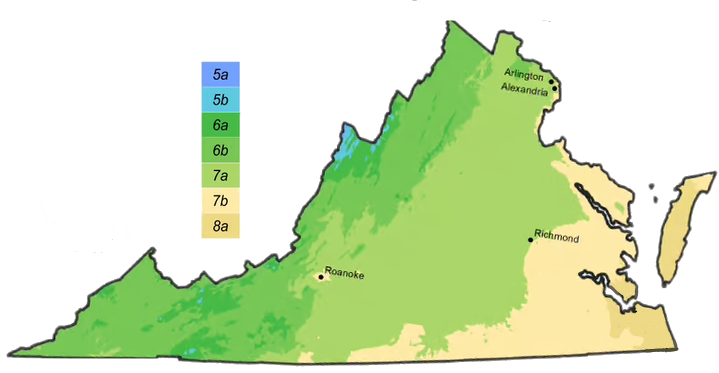
Hardiness Zone
5,
6,
7,
8,
9
Commercially available
Yes
Global Biodiversity Information Facility (GBIF):
Additional Info
Habitat: woodland edges and openings; hardwood and mixed coniferous forests, mountain slopes, and coves
Wildlife value: Its fruits are eaten by songbirds, ruffed grouse, quail, wild turkey, chipmunks, black bear, foxes, white-tailed deer, skunks, and squirrels. Host plant for the spring Azure (Celastrina ladon) butterfly/larvae. Plant NOVA Natives lists this species as particularly popular with the non-native honeybees
Note: Virginia's state tree. More resistant to dogwood anthracnose fungus if planted in open areas, but if planted in full sun, it will need to be watered in extended dry spells
Flower Color
Cream/White
Gold/Yellow
Green
Pink
Flower Prominence
Conspicuous
Bloom Time
Spring
Early Summer
Bloom Month
March
April
May
Light Requirements
Full sun
Partial sun
Moisture Requirements
Wet
Moist
Dry
Soil Texture
Clay
Loamy
Sandy
Low Maintenance
Yes
Good Choice for Public Spaces
Yes
Deer Resitant
Yes
Seed or Fruit eaten by wildlife?
Yes
Pollinators
Bees
Butterfiles
Top 30 for Butterfly and Moth Caterpillars?
Yes
Number of Lepidotera Species Genus Supports
98
Top 30 for Pollen Specialist Bees?
Yes
Number of Pollen Specialist Bees that Rely on this Genus
4