Non-native plants this species can replace:
Common Name
Coastal white-alder
Sweet pepperbush
Plant Form
Shrubs & Small Trees
Duration
Perennial
Max Height (ft)
12.0
Width (ft)
3.0 -
6.0
Growth Rate
Medium
Region
Coastal
Piedmont
Mountain
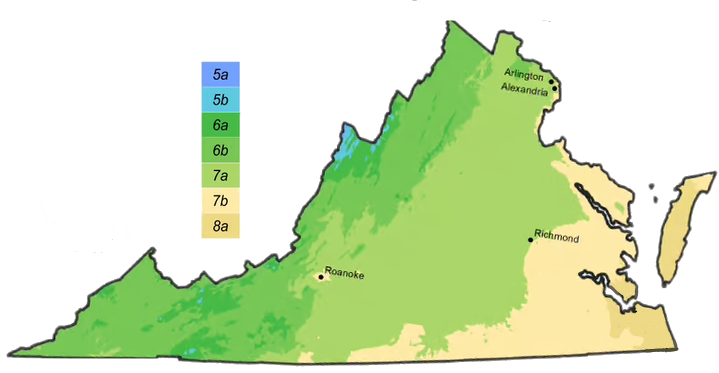
Hardiness Zone
5,
6,
7,
8,
9
Commercially available
Yes
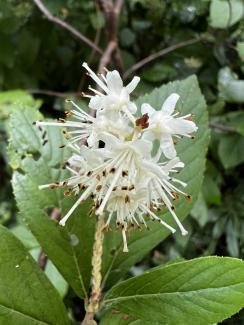
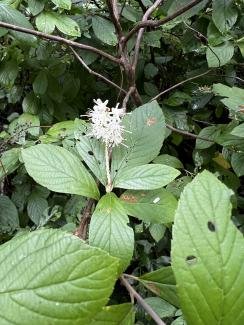
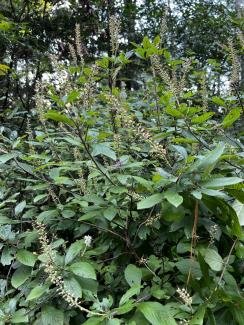
Global Biodiversity Information Facility (GBIF):
Additional Info
It may grow to 5 to 10 feet. and often spreads into mounded clumps. It is often found in swamps, damp thickets, and sandy woods.
Wildlife value: The flowers produce high quality nectar and pollen that supports hummingbirds, butterflies, bees and other pollinators. The shrub produces a brown, dry capsule that matures in the fall and provides seed to birds during the winter. Sweet Pepperbush is unique among flowering shrubs because it blooms in shady locations in late summer when few other shrubs are in bloom.
Plant NOVA Natives lists this species as particularly popular with the non-native honeybees
Flower Color
Cream/White
Flower Prominence
Conspicuous
Fragrant
Yes
Bloom Time
Early Summer
Late Summer
Bloom Month
June
July
August
Fall Color
Brown/Copper
Gold/Yellow
Light Requirements
Full sun
Partial sun
Shade
Moisture Requirements
Wet
Moist
Soil Texture
Clay
High organic matter
Loamy
Sandy
Low Maintenance
Yes
Climate-smart plant
Yes
Deer Resitant
Yes
Seed or Fruit eaten by wildlife?
Yes
Pollinators
Bees
Butterfiles
Hummingbirds
Nurseries that may carry live plant
Additional links