Non-native plants this species can replace:
Common Name
Canadian serviceberry
Plant Form
Medium Trees
Duration
Perennial
Max Height (ft)
25.0
Width (ft)
15.0 -
20.0
Growth Rate
Medium
Region
Coastal
Piedmont
Mountain
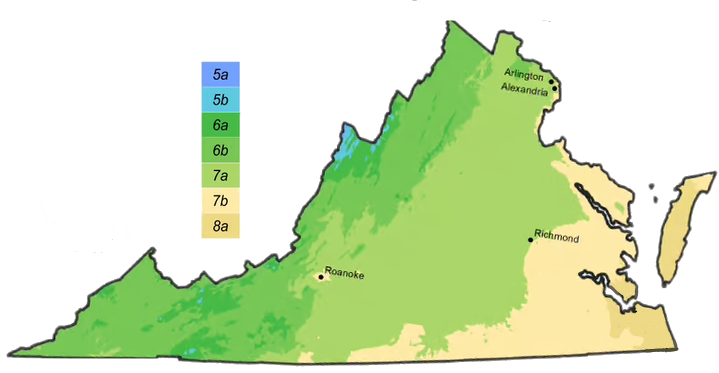
Hardiness Zone
5,
6,
7,
8
Commercially available
Yes
Global Biodiversity Information Facility (GBIF):
Additional Info
Habitat: swamps, low ground, woods, & thickets. In a wide range of mesic to dry upland forests, woodlands, and barrens; occasionally in alluvial forests, seepage wetlands, and depression swamps; tolerant of a wide range of soil chemistries. The ecological amplitude of this species is likely due to the incorporation of several ploidy levels and microspecies. Common throughout.
Wildlife Value: It is a host plant for the Red-Spotted Purple and the Viceroy butterflies. Butterflies and other insects nectar at the blooms. The fruits are eaten by songbirds and both small and large mammals. Moderately deer resistant.
Edibility: Edible berries are similar to blueberries and are used in jams, jellies and pies.
Flower Color
Purple/lavender
Flower Prominence
Conspicuous
Bloom Time
Spring
Bloom Month
April
May
Fall Color
Burgandy/Red
Orange
Light Requirements
Full sun
Partial sun
Shade
Moisture Requirements
Wet
Moist
Dry
Soil Texture
Clay
Loamy
Sandy
Low Maintenance
Yes
Climate-smart plant
Yes
Good Choice for Public Spaces
Yes
Deer Resitant
Yes
Seed or Fruit eaten by wildlife?
Yes
Pollinators
Bees
Butterfiles
Number of Lepidotera Species Genus Supports
92
Nurseries that may carry live plant